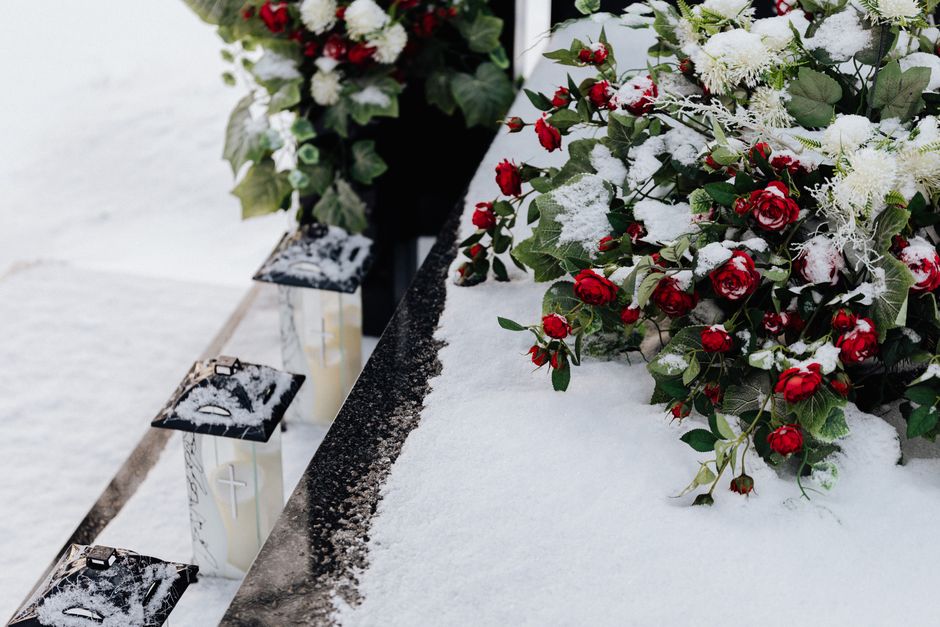
What to know about funeral flower permits in Bexley
Posted on 13/10/2026
If you are arranging funeral flowers in Bexley, there is a good chance you have already got enough on your plate. Family messages, timings, venues, transport, and the quiet worry of getting every detail right can all land at once. So let's make one part simpler: what to know about funeral flower permits in Bexley, and why it matters more than people often realise.
In plain English, funeral flower permits are the permissions or approvals that may be needed when floral tributes are placed in certain locations, at specific venues, or in areas where access, health and safety, or site rules come into play. Not every arrangement needs a permit, and to be fair, many do not. But when they are needed, knowing that early can save a lot of last-minute stress, awkward conversations, and rushed adjustments at the worst possible time.
This guide explains how these permits usually work, who needs to think about them, what problems they help avoid, and how to plan respectfully in a local Bexley context. We will also cover practical steps, common mistakes, and the sort of best-practice checks that help everything run more smoothly. If you want the flowers to feel calm, appropriate, and handled with care, you are in the right place.
Table of Contents
- Why What to know about funeral flower permits in Bexley Matters
- How What to know about funeral flower permits in Bexley Works
- Key Benefits and Practical Advantages
- Who This Is For and When It Makes Sense
- Step-by-Step Guidance
- Expert Tips for Better Results
- Common Mistakes to Avoid
- Tools, Resources and Recommendations
- Law, Compliance, Standards, or Best Practice
- Options, Methods, or Comparison Table
- Case Study or Real-World Example
- Practical Checklist
- Conclusion
- Frequently Asked Questions
Why What to know about funeral flower permits in Bexley Matters
Funeral flowers are not just decoration. They are part of the farewell. They carry names, relationships, memories, and sometimes a message that is hard to say out loud. That is why the practical side matters so much. If flowers are going to a crematorium, cemetery, church, funeral director, or memorial site in Bexley, there may be rules around where tributes can be placed, when they can be delivered, and how long they can remain there.
A permit or approval may sound formal, but it usually exists for sensible reasons. Sites need to keep entrances clear, maintain safe walkways, manage vehicle access, and respect other services or ceremonies taking place. A florist, funeral director, or family member turning up with a large wreath or coffin spray at the wrong time can create avoidable pressure. Nobody wants that. Not on a day like this.
There is also a dignity angle that gets missed in generic advice. The right permission process helps protect the tribute itself. A carefully prepared arrangement can be damaged if it has to be moved quickly, left in the wrong place, or handled by someone who was not expecting it. That is one of those details you only think about once, usually after a difficult morning. Better to think about it first.
For families in Bexley, the local context matters because funeral arrangements often involve multiple places in one day. A service may begin at a church, move on to a crematorium, and later include flowers taken to a family home or wake venue. Each stage can have slightly different expectations. The permit question is not really about paper for paper's sake; it is about making sure the tribute arrives where it should, when it should, without any fuss.
Expert summary: funeral flower permits are usually less about bureaucracy and more about access, timing, safety, and respect. If a site has rules, following them helps the flowers look their best and the day feel calmer.
How What to know about funeral flower permits in Bexley Works
The exact process depends on the venue or location. In many cases, there is no formal permit in the way people imagine one. Instead, there may be a booking, approval, notice period, or site instruction that covers floral tributes. The word "permit" is often used broadly to describe that permission step.
Here is the usual pattern:
- Identify the location. Is the flowers delivery going to a funeral home, crematorium, cemetery, church, graveside, or private venue?
- Check the site rules. Some places are happy with standard deliveries, while others want advance notice for larger items or tributes that will stay onsite.
- Confirm timing. Flowers may need to arrive within a specific window, especially if a service is scheduled closely around another event.
- Match the tribute to the space. A full coffin spray, casket tribute, wreath, letter tribute, or posy may each be handled differently.
- Coordinate with the funeral director or venue. They often know the local process and can tell you what is expected.
- Prepare delivery details carefully. The name of the deceased, the service time, location contact, and placement instructions matter more than people think.
In practical terms, the permit or approval step is often just one conversation. But it is a conversation worth having early. A quick check a few days ahead can prevent the slightly panicked phone call that starts with, "Hi, sorry, just one more thing..." and ends with everyone scrambling.
If you are ordering from a local florist, it helps to choose a supplier that understands funeral delivery rhythms and can work with strict timings. A dedicated range such as funeral flowers can be especially helpful when you need arrangements that are suited to service settings, wreaths, sprays, or tribute pieces.
It is also worth understanding the difference between a flower delivery and a placement permission. A delivery may simply mean the flowers arrive at the building. Placement permission means the site agrees where they can be displayed, and sometimes for how long. Small distinction, big difference.
Key Benefits and Practical Advantages
Getting the permit or approval side right brings a few very real advantages. Some are obvious, some are only obvious after you have lived through the process once.
- Less stress on the day. You are not chasing answers while people are arriving and emotions are already high.
- Better presentation. Flowers can be placed properly, in the right spot, at the right time.
- Fewer disruptions. Site staff and funeral teams can work without having to redirect unexpected deliveries.
- More respectful handling. Tributes are less likely to be moved around unnecessarily.
- Clearer communication. Everyone involved knows what is happening and who is responsible.
- Less chance of waste. A tribute that cannot be accepted, placed, or stored properly is a heartbreaking thing to see.
There is also a quieter benefit: peace of mind. You might not notice it in the moment, but when the flowers are placed exactly where they should be, the whole day tends to feel more settled. Even a small detail can help the family breathe a little easier.
For many people, the real value is not the permit itself. It is the certainty it creates. You are not guessing. You are not relying on assumptions. You know the flowers are being handled in a way that fits the venue and respects the occasion.
Who This Is For and When It Makes Sense
Funeral flower permits in Bexley are relevant to a few different people, and not all of them are the immediate next of kin. That is important, because funeral arrangements are often shared across family members, friends, and professional contacts.
- Families arranging the service. If you are coordinating flowers for a funeral, memorial, or burial, this is one of the details worth confirming early.
- Funeral directors. They may handle or advise on access and placement rules as part of the wider service plan.
- Florists. A florist can often advise on suitable tribute shapes, timing, and delivery windows, but they still need the venue details.
- Churches, crematoriums, and cemeteries. These places sometimes have their own rules for size, placement, and collection.
- Friends or extended family sending tributes independently. If you are sending flowers separately from the main arrangements, double-checking permissions is especially wise.
It makes sense to think about permits when the tribute is going to a location with controlled access, a tight timetable, or a specific display area. It also makes sense if you are planning something larger than a standard bouquet, such as a wreath, cross, heart tribute, casket spray, or letter tribute.
A small bouquet delivered to a family home is usually straightforward. A large coffin spray arriving directly to a service venue? That is a different conversation entirely. Truth be told, the more formal the tribute, the more worthwhile the early check.
If you are still deciding on the style of tribute, browsing a sympathy-focused selection can help. A range such as sympathy flowers gives a sense of the kinds of arrangements commonly chosen for condolence and remembrance.
Step-by-Step Guidance
Here is a practical way to handle funeral flower permits or approvals in Bexley without getting overwhelmed.
1. Confirm the venue and service type
Start with the basics. Is the service at a church, crematorium, cemetery, funeral home, or private venue? Each one can have different rules. If the flowers are going to more than one place, note that too. Multi-stop arrangements are where simple mistakes creep in.
2. Ask who controls floral placement
Sometimes the funeral director handles it. Sometimes the venue does. Sometimes the family is expected to give instructions directly. If you are not sure, ask. A direct question saves time: "Do you need advance permission for floral tributes, and where should they be delivered?" Simple. Honest. Effective.
3. Check size, shape, and quantity
Some sites are happy with standard bouquets but need notice for larger arrangements, standing sprays, or tributes with lettering. It is worth saying exactly what you are ordering. "A wreath" and "a full casket spray" are not the same thing, and venue teams know the difference instantly.
4. Confirm delivery timing
Deliveries linked to funerals often have narrow windows. Flowers may need to arrive before the family, before the cortege, or a set number of minutes ahead of the service. If in doubt, build in buffer time. Traffic in and around London does not care that it is a sensitive day. Annoying, but true.
5. Share the full details with the florist
Give the name of the deceased, service time, venue, contact number, and any instructions about placement. If there is a preferred colour theme, faith tradition, or wording for the card, include that too. The more complete the brief, the fewer surprises.
6. Confirm acceptance and placement instructions
If the flowers need to be left at reception, taken to the chapel, or placed at a graveside, make sure that is clear. Ask whether the site will collect them afterward or whether family members need to do that themselves.
7. Keep a record of the agreement
This can be as simple as saving an email or taking a note of the person you spoke to. When grief is involved, memory can be a bit patchy. That is normal. A record helps.
If you need a simple way to think about the process, ask yourself: Where are the flowers going, who will receive them, and what happens after the service? Those three questions cover most of the practical risk.
Expert Tips for Better Results
Small decisions can make a surprisingly large difference here. A few best-practice habits tend to keep things calm and respectful.
- Choose tribute styles that suit the venue. Large designs may look beautiful, but they need space and clear placement guidance.
- Keep wording short and legible. Cards and tribute lettering are easiest to read when the message is simple and sincere.
- Match the flowers to the tone of the service. White and green are often chosen for their calm, understated feel, while some families prefer colour that reflects personality or faith tradition.
- Use the florist's local knowledge. A florist familiar with Bexley deliveries will often know the practical rhythm of funeral timing.
- Ask about substitution policies. Seasonal availability can affect exact flower types, especially around busy periods.
- Plan a backup if the tribute is time-sensitive. If the flowers must reach a specific place by a hard deadline, leave yourself a little margin.
One thing people sometimes overlook is the emotional impact of choice overload. Too many options can make decision-making harder, not easier. A good florist will help narrow things down. That is not indecision; that is sensible grieving. There, said plainly.
For reliable delivery planning, it can help to review general delivery information such as delivery details so you understand timing expectations before you place an order.
Common Mistakes to Avoid
Most problems with funeral flower permits are avoidable. They usually come down to assumptions, rushed ordering, or not checking the venue rules early enough.
- Assuming all venues are the same. They are not. One place may allow open floral placement, another may need advance approval.
- Leaving delivery too late. If the flowers arrive after the service begins, the moment has already passed.
- Forgetting placement instructions. A tribute that arrives but cannot be positioned correctly is still a problem.
- Not telling the florist it is for a funeral. Funeral orders are handled differently from everyday gifting orders.
- Ordering a tribute that is too large for the site. It may look impressive in a photo, but if it does not fit the space, the effect is lost.
- Ignoring faith or cultural preferences. These details matter a great deal and should be handled with sensitivity.
- Not confirming who collects the tribute afterward. Some flowers are taken home, others are left at the graveside, and some sites have their own process.
One of the more common real-world hiccups is the card message being written too vaguely. "With love" is lovely, but if several relatives are sending flowers, add a surname or family identifier. Otherwise, a busy chapel table can become a small puzzle. Not ideal.
Tools, Resources and Recommendations
You do not need specialist software or a mountain of paperwork to get this right. You do, however, need a few practical tools and habits.
- A clear order note. Keep the deceased's full name, service time, venue, and contact details in one place.
- A phone call or email trail. Written confirmation is useful if anything needs checking later.
- A delivery window buffer. Aim earlier rather than later, especially if the venue has strict access times.
- A suitable tribute selection. Choose an arrangement appropriate to the relationship and the venue.
- A florist who understands funeral work. It sounds obvious, but a florist used to sympathy orders will think about things others may miss.
If you are browsing tribute options, a dedicated category such as funerals can make it easier to compare wreaths, sprays, posies, hearts, and letter tributes in one place.
There are also practical product types that often suit funeral settings very well. For example, wreaths can feel formal and traditional, while baskets and posies are often smaller and easier to place. Some families prefer letter tributes because they feel personal and instantly recognisable. The right choice depends on the person being remembered, the venue rules, and the tone of the service.
If you want a tribute that has a composed, understated feel, something like a white and green Celtic cross or a classic wreath may be suitable. If the tribute should feel more personal and immediate, a named arrangement or heart can be more appropriate.
Law, Compliance, Standards, or Best Practice
This topic touches on venue practice, access control, and respectful handling more than it does on one single national rule. That said, a few good principles apply across the board in the UK.
First, follow the venue's instructions. If the crematorium, cemetery, church, or funeral director gives placement guidance, treat that as the governing rule for the day. Even when something is not a "permit" in a legal sense, it may still be a required condition for delivery or display.
Second, respect access and safety requirements. Flowers should not obstruct pathways, entrances, signage, or fire exits. Larger tributes may need to be handled by staff or placed in designated areas only. That is not fussiness; it is standard site management.
Third, handle faith and cultural traditions carefully. Different communities may have specific expectations around colour, wording, symbolism, or the use of certain flowers. When you are not sure, ask rather than assume. A respectful question is better than an accidental mismatch.
Fourth, remember data and contact details. If you share names, addresses, or contact numbers with a florist or funeral director, they should be used appropriately and only for the service in question. Basic privacy awareness matters even in something as human and practical as a flower order.
Finally, work to the standard of the occasion. Funeral flowers are not just another delivery. They deserve careful timing, proper presentation, and clear instruction. That is the benchmark, really.
If you are ever unsure, ask for clarification before the day arrives. The tone of the conversation can be calm and simple: "I just want to make sure the flowers are placed correctly and accepted by the venue." That sentence solves a lot.
Options, Methods, or Comparison Table
Different funeral flower choices suit different settings. Here is a simple comparison to help you think about what might fit best.
| Option | Best for | Practical note | Permit or approval risk |
|---|---|---|---|
| Wreath | Traditional services and formal tributes | Usually easy to place, but size still matters | Low to moderate depending on venue rules |
| Posy | Smaller, more personal tributes | Often simpler for families and venue staff | Low |
| Spray | Coffin or casket tributes | Needs clear timing and placement instruction | Moderate |
| Letter tribute | Named remembrance and close family messages | Can be striking and highly personal | Moderate to higher if large |
| Heart | Deeply personal or affectionate messages | May need more space than expected | Moderate |
| Basket or vase arrangement | Home delivery, post-service gifting, or quieter remembrance | Often convenient and easier to transport | Low |
The main thing to notice is that the more formal or larger the tribute, the more important timing and placement become. A small basket handed to a family member at home is very different from a large casket spray arriving at a service venue ten minutes before people are seated. Different game, different rules.
Case Study or Real-World Example
Here is a simple, realistic example. A family in Bexley was arranging a funeral service at a local church followed by a crematorium appointment later that morning. They wanted two tributes: a large casket spray from immediate family and a smaller wreath from close friends. At first, they assumed both could simply be delivered on the morning.
Once the florist asked for the venue details, it became clear that the church wanted flowers delivered during a set window the previous afternoon, while the crematorium needed the wreath noted in advance so it could be placed in the designated area after arrival. No drama, no argument, just different instructions. The florist split the delivery plan into two timings, and the family received confirmation in writing.
What changed? Quite a lot, actually. The flowers arrived in good condition, the service started without delay, and the family did not have to worry about where the tributes should go. There was even a small moment, just before the service, when the white roses on the spray were adjusted gently by staff so they sat perfectly at the front. Tiny detail. Huge difference.
That is the real lesson here: when flower permissions, delivery timing, and venue rules are handled early, the whole day feels less complicated. Not easy, exactly. Just less complicated.
Practical Checklist
Use this quick checklist before you place a funeral flower order in Bexley.
- Have I confirmed the exact venue and service time?
- Do I know whether the site needs advance approval or a placement note?
- Have I told the florist that this is for a funeral?
- Have I chosen the right type of tribute for the space?
- Have I shared the full name of the deceased and any family contact details needed for delivery?
- Have I checked whether the flowers need to arrive before the service?
- Do I know who will receive or place the tribute on arrival?
- Have I included any faith, cultural, or personal preferences?
- Have I confirmed what happens to the flowers after the service?
- Have I left enough time for transport, traffic, and any last-minute changes?
If you can tick those off, you are in a much better position. Not perfect. But much better, and that counts.
Conclusion
What to know about funeral flower permits in Bexley comes down to a simple idea: respect the venue, respect the timing, and respect the people involved. Whether the approval is formal or informal, the purpose is the same - to make sure the tribute is delivered and placed properly, without extra stress on an already difficult day.
The best approach is calm, early, and specific. Ask who controls floral placement. Confirm the delivery window. Choose a tribute that suits the service. Keep the details in one place. These small actions make the whole process feel steadier, and honestly, that matters more than most people expect.
When the flowers arrive exactly where they should, with the message the family wanted to send, there is a quiet kind of relief in that. A bit of order in a hard moment. And sometimes, that is enough.
Get a free quote today and see how much you can save.
Frequently Asked Questions
Do all funeral flowers in Bexley need a permit?
No, not all funeral flowers need a formal permit. In many cases, what people mean is a venue approval, delivery instruction, or placement notice. Smaller home deliveries usually do not need anything formal, but venue-based tributes often do.
Who usually arranges funeral flower approval?
It depends on the service. Sometimes the funeral director handles it, sometimes the venue does, and sometimes the family or florist needs to confirm it directly. If you are unsure, ask early rather than assuming someone else has covered it.
How far in advance should funeral flowers be ordered?
As early as possible, especially if the service is at a venue with specific timing rules. A little lead time helps with delivery planning, tribute preparation, and any approval steps that may be needed. Rushed orders are when things get tricky.
What happens if flowers arrive without approval?
The venue may still accept them, or it may ask for them to be redirected, delayed, or placed in a different area. It depends on the site's rules. That is why confirming the location's instructions before delivery is so helpful.
Are wreaths more likely to need permission than bouquets?
Usually, yes, because wreaths are often larger and meant for formal placement at a service or memorial site. Bouquets for home delivery are simpler. The bigger and more formal the tribute, the more likely the venue will want to know in advance.
Can a florist deliver directly to a crematorium or cemetery?
Often they can, but the delivery must match the site's rules and timing. Some venues have reception points, delivery windows, or specific placement instructions. A florist experienced with funeral work will normally ask for these details before dispatch.
What type of flowers are most suitable for a funeral?
There is no single correct answer. White lilies, roses, chrysanthemums, carnations, and mixed sympathy arrangements are commonly chosen, but the right choice depends on the person, the family's preferences, and any cultural or religious considerations. The sentiment matters more than trying to follow a rigid formula.
Do funeral flowers have to be white?
No. White is common because it feels calm and respectful, but many families choose soft colours, favourite flowers, or tributes that reflect personality. In practice, what feels appropriate to the family is the right direction to follow.
How do I know if a venue has special floral rules?
Ask the funeral director, venue contact, or florist. That is the simplest route. If there is any doubt, get the answer in writing or make a note of the conversation. It saves a lot of confusion later.
Can funeral flowers be delivered on the same day as the service?
Yes, they often can be, but only if the timing is carefully arranged and the venue accepts same-day placement. It is one of those cases where a prompt order helps a great deal. Same-day delivery is possible in many situations, but never leave it to chance.
What should I write on a funeral flower card?
Keep it short, sincere, and clear. A simple message from the family or sender is usually best. If multiple relatives are sending flowers, include a surname or family reference so the tribute is easy to identify.
What is the safest option if I am unsure about permits?
The safest option is to speak with the venue, funeral director, or florist before ordering. If you are still unsure, choose a simpler tribute, allow extra time, and confirm the delivery point. A small, careful arrangement is far better than a large one that creates avoidable problems.